01
Canary touch
Decoys sit where ransomware looks.
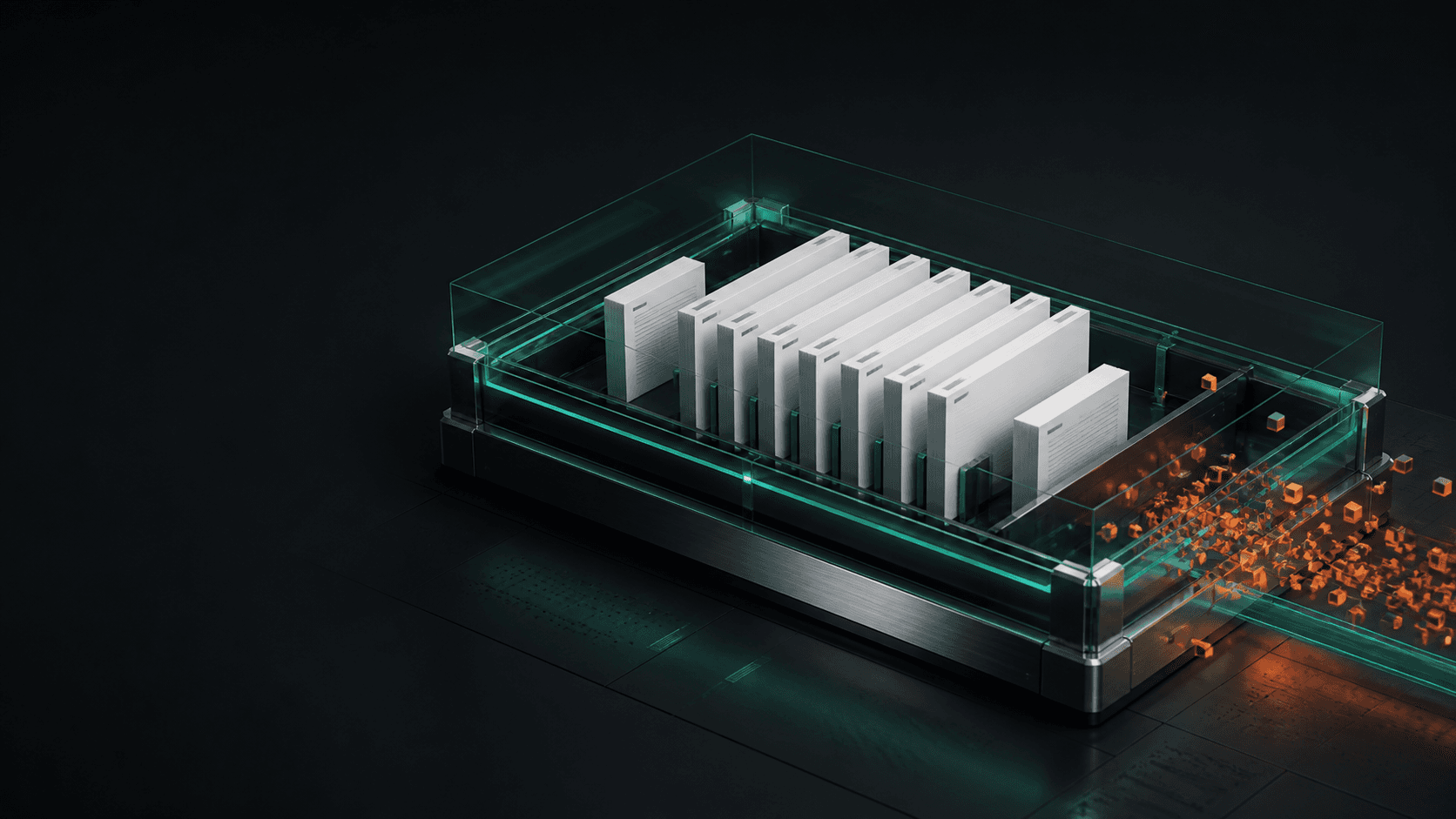
SafeLayer plants Office-style decoys in Documents, Desktop, and Downloads. The names resemble temporary Office lock files, so ordinary software usually ignores them.


SafeLayer watches for decoy documents being touched and sudden bursts of file changes—the two signals that point to an encrypting ransomware run.
A deliberate early warning
Decoys and change patterns help make a developing event visible.
Two corroborating signals
A decoy at either end of an alphabetical document list makes broad file enumeration more visible. A rolling view of modifications adds context before a single signal becomes an alarm.
Canary touch
SafeLayer plants Office-style decoys in Documents, Desktop, and Downloads. The names resemble temporary Office lock files, so ordinary software usually ignores them.
Write-rate spike
The shield counts file modifications in a rolling window and also observes deletions and renames—the changes an encrypting run makes to original files.
Calibrated response
Canary touch
Write-rate spike
Both together
Response that respects the machine
Ransomware Shield